
-
Send Mail info@neutroninc.in
-
Have any Questions? (+91 94271 60706)



What are the implants for bone fracture?
Known as Osteosynthetic implants, trauma implants are orthopedic implants used to realign and fix a fractured bone. Osteosynthesis is a surgical procedure to fix and treat a fractured bone using mechanical devices like bone screws, bone plates, wires, and pins for bone setting, and also special implants like cranial (in part of the skull that encloses the brain) and spinal implants (for vertebrae fusion).
Bone screws- Bone screws are common for bone fixation that come in different types and sizes. They prevent implant movement and bridge the gap between the implant and the injured bone site, thus reducing the stress. These are titanium or stainless screws. The different types of screws are cortical bone screws that are fine pitch, cancellous bone screws that are coarse, titanium screw sets, and headless compression screws. The screws can be fully or partially threaded and can also be cannulated.
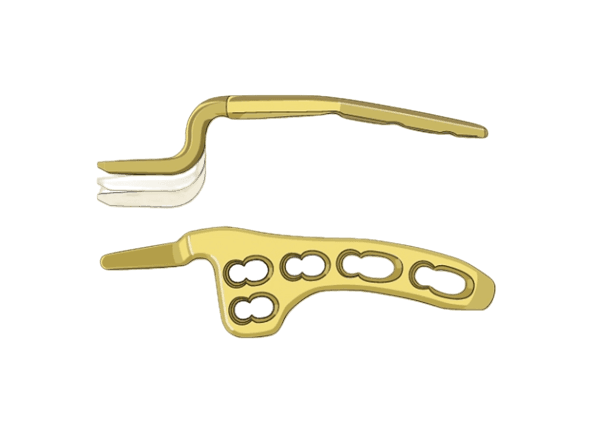
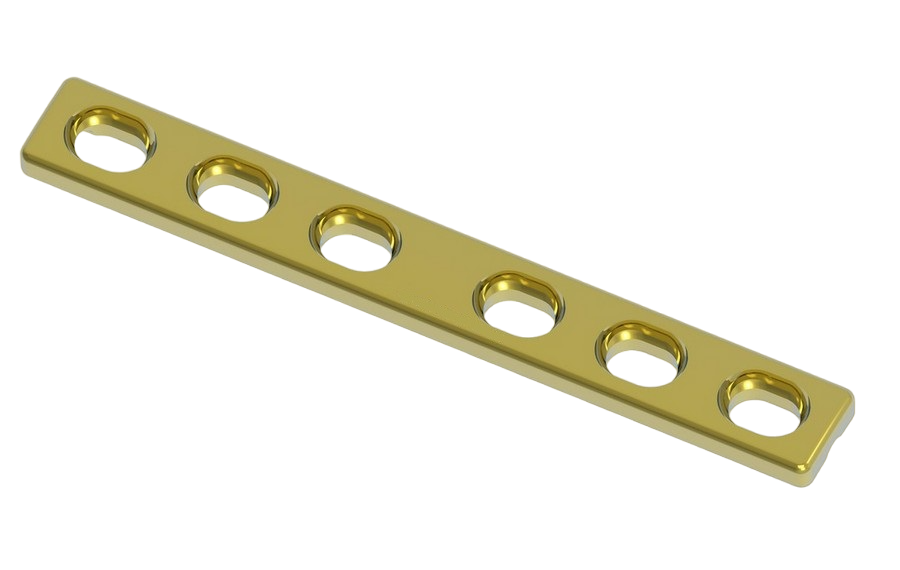
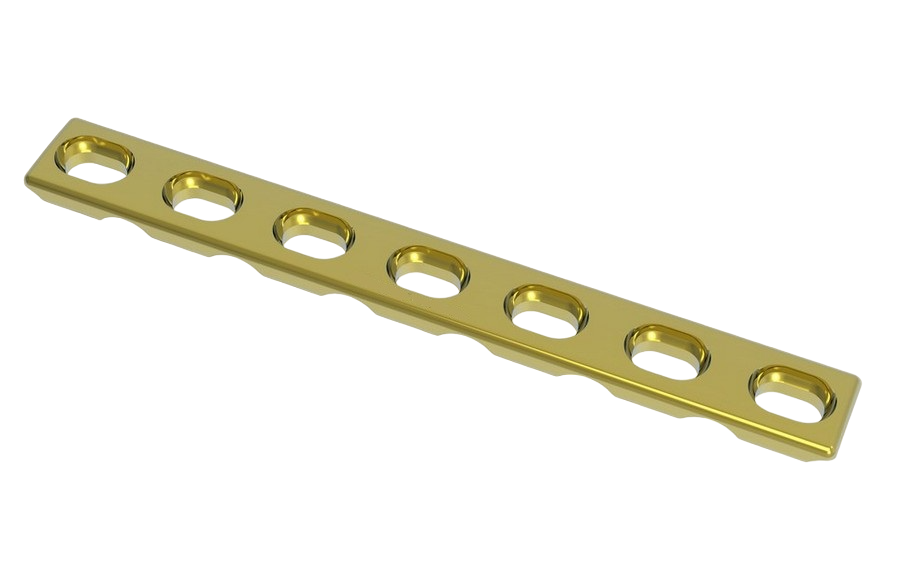
Bone plates- Bone plates minimize the gap between the ends of the fractured bone by bringing them together. They restrict the movement of the broken bone and allow it to rest and heal. They are fixed using bone screws. The various types of bone plates are Neutralization plates (balance the load of the fracture by spanning the area), Bridging plates (provide length and alignment to the fractured bone and stabilize it), Buttress plates (hold the ends of long bones), Tension plates (they are wires securing the broken bones), and Compression plates (use pressure between the fractured bones to promote healing).
Nails- Known as rods, nails are used in long fractured bones, such as in the femur or tibia, to prevent the ends of the bones from overlapping. They aim to align the broken bones by immobilizing them. They are fixed in the inter-medullary canal of the long bones, holding the fracture together.
Pins – Pins are used for minimal fractures as provisional internal support to ensure proper alignment and fixation of the fracture using other implants.
Wires – Wires are flexible and easy-to-bend trauma implants used for small bone fractures and in cases of fractures with minimum load bearing. They are used in internal fixation, tendon repair, and skeletal traction.
Staples- In case of multiple fractures resulting in several bone fragments, staples are used to fix and reconstruct the broken bones internally. They ensure the repair of soft tissue damage.
Prostheses- Prostheses are artificial orthopedics implants used to replace the missing bone or joint. They also provide support for broken bones. Prostheses are common for hips, knee, shoulders, and arms. They ensure joint and bone alignment, restoring full range of motion and functionality of the fractured bone or joint.
Material Composition and Surface of Trauma Implants
Orthopedic trauma implants play a crucial role in surgical outcomes and are subject to strict quality conformation and performance standards. The material composition and surface finishing requirements of these implants significantly impact the healing and recovery of the fractured bones.
Material composition: These implants are commonly made of stainless steel alloy or titanium alloy. These components vary in ductility, bio-compatibility, corrosion resistance, and tensile strength. The selection of the trauma implant depends on the surgical need of the fracture.
Surface Texture: Orthopedics trauma implants have different surface textures and finishing depending on their role in healing and recovering the fractured bone. In the case of trauma implants, some are subject to removal upon fracture healing, and some might stay permanently fixed based on the patient’s clinical needs. These implants require smooth surfacing and rounded edges to prevent the bones from getting attached to the implanted material and avoid pain and discomfort resulting from sharp-edged devices.
